Compression Molding Presses & Heated Platens
A compression molding press uses controlled pressure, heat, and time to form raw materials into finished parts, panels, or components. These presses are widely used to process rubber, carbon fiber composites, laminates, engineered wood, plywood, and other materials that require carefully managed molding and curing conditions to form intended parts with desirable characteristics.
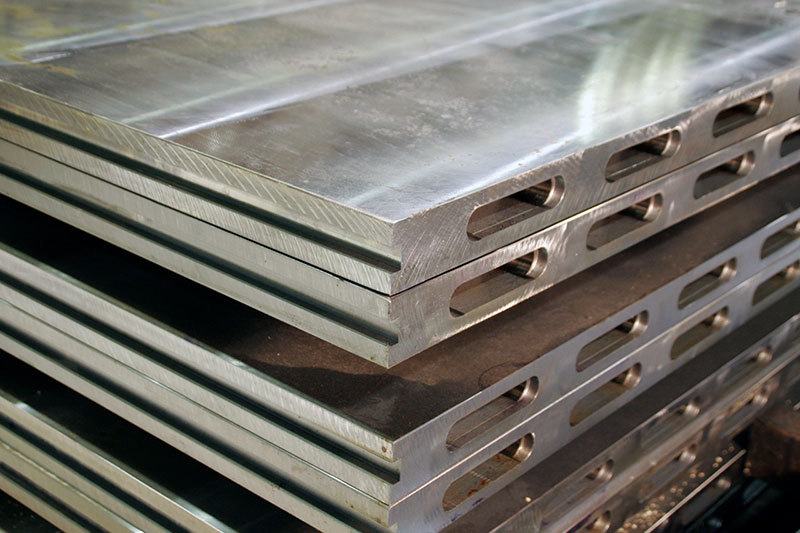
Since 1954, Venango Machine Company has manufactured precision heated platens used in compression molding presses throughout the rubber, composite, laminate, plywood, and engineered wood industries. The platen is one of the most important features in a heated compression molding press, as it is responsible for evenly distributing heat and pressure across the mold surface to deliver consistent molding results.
This page explains how compression molding presses work, where they are frequently used, and how Venango Machine’s electric platens can help support demanding molding applications.
Quotes for Heated Compression Molding Platens
TL;DR: Compression Molding Presses
- A compression molding press applies pressure, heat, and controlled dwell time using a heated platen to mold and cure rubber, composites, laminates, and engineered materials.
- Heated compression molding presses rely on precision-machined platens to distribute temperature and pressure consistently across the mold surface.
- Venango Machine manufactures multiple electric platen configurations for rubber molding, carbon fiber, laminates, plywood, MDF, OSB, and other end applications.
- Important platen characteristics include temperature uniformity, heat-up times, cycle times, cooling capabilities, platen flatness, and precision temperature control.
What Is a Compression Molding Press?
A compression molding press is a piece of equipment that uses hydraulic pressure to form, consolidate, and cure material inside a mold using force and heat. The process generally places a predetermined amount of material into an open mold before the press closes and applies the required pressure to force the material into mold cavities or openings.
Many compression molding presses, but not all, require the addition of heat to soften materials and achieve consistent molding qualities. Heated platens transfer thermal energy into the mold and material while the press maintains the necessary force throughout the molding cycle, also known as dwell time.
Depending on the end application, compression molding presses may be used to process the following materials:
- Natural & Synthetic Rubbers
- Carbon Fiber Composites
- Fiberglass Composites
- Thermoset Materials
- Thermoplastic Resins & Engineering Plastics
- Laminates
- Plywood, MDF, and OSB
- Engineered Wood Products
Some materials must also cool completely while remaining under compressive force to retain shapes or stabilize the material before pressure is released. For these applications, platen heating and cooling performance can directly influence cycle times, dimensional consistency, curing quality, and overall production efficiency.
How Does a Heated Compression Molding Press Work?
A heated compression molding press combines hydraulically generated pressure with controlled platen surface temperatures to shape and cure material inside molds. Although exact production cycles or processes will vary by material, manufacturer, and application, a typical compression molding process includes several general steps:
- Raw or preformed material is measured and placed inside the mold
- The hydraulic press closes and applies the specified molding pressure
- Heated platens transfer thermal energy at precise temperatures through the mold and into the material
- The press holds the required temperature, pressure, and time while the material cures, vulcanizes, or consolidates
- Certain applications also require the platen face to cool while it remains under pressure to achieve desired results
- The press opens, and the finished molded component is removed
Manufacturers must maintain consistent conditions throughout the molding process, as any variations in temperature, pressure, or time can contribute to incomplete material curing, dimensional variation, surface defects, and inconsistent quality.
Heated Platen Types for Compression Molding Presses
The ideal platens for heated compression molding presses are electrically heated. These platens provide compression molders with a heating method with expedited heat-up and recovery times and the ability to achieve higher temperatures during operation. Considering compression molding is used for a variety of applications, temperature flexibility is essential to meet specific requirements. Venango Machine Company has developed several standard variations of the electric platen and each can be used in heated compression molding presses to achieve desired results.
- Type SE – Strip Electric Platen: The strip electric platen uses a strip-type heating element to achieve desired temperature levels and is ideal for lower temperature or non-vacuum heated compression molding presses.
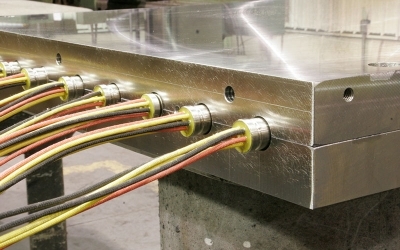
- Type CE – Cartridge Electric Platen: These platens rely on round cartridge heaters to achieve the desired temperatures for heated compression molding presses especially high-temperature applications. Venango Machine has also developed a split electric platen to help customers remove and replace expired heating elements after burnout.
- Type HT – Heat Tube Platen: The design of these platens incorporates a multi-layer lattice type structure of cartridge heaters and heat tubes. These can be a cost-effective retrofit option for heated compression molding presses and can be quickly integrated into existing equipment.
- Type EWC – Electrically Heated & Water Cooled Platen: These specific platens are desired for applications that require both vacuum and non-vacuum procedures. Venango Machine offers specialty designs for heated compression molding presses that require severe heating or cooling temperatures.
- Multi-Zone Electric Platen: Multi-zone electric platens are Ideal for applications that require precise temperature control across the platen face like carbon fiber manufacturing. The precisely controlled temperature levels ensure a quality product and faster recovery times that save our customers both time and money.
Benefits of Venango Electric Platens for Heated Compression Molding
The applicable benefits that Venango Machine electric platens offer heated compression molding presses extend beyond the variety of heating methods and temperature control features previously mentioned. As one of the world’s oldest platen manufacturers, Venango is well-versed in the necessary machining practices, designs, and quality standards demanded by compression molding companies. When you purchase your electric platens from Venango, you are guaranteed an exceptional product with an exceptional lifespan that will deliver impressive results.
- Diverse Industry Experience: Throughout our company’s history we have worked with numerous industries that utilize electric platens in heated compression molding presses. Our experience ranges from companies manufacturing golf balls to rubber automotive components, laminate flooring manufacturers, and carbon fiber components used in aerospace or high-performance mechanical systems.
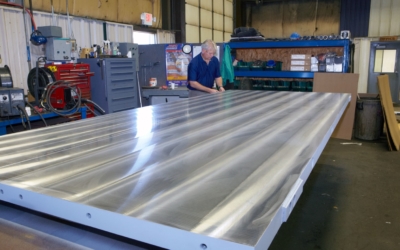
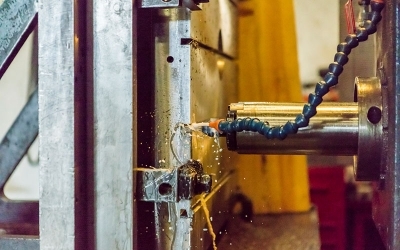
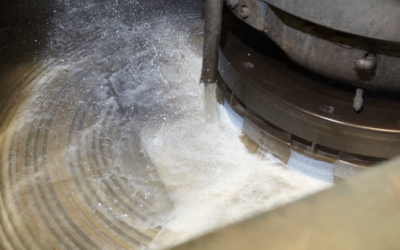
- Expansive CNC Machining Capabilities: Venango’s incredible array of CNC machining equipment and experienced operators allow for incredible precision and accuracy in all fabricated electric platens. Our facility operates a wide range of milling machines, planer mills, and a 6-axis CNC gundrilling machining center with a 30-position automatic tool changer. The combination of experience and modern machining equipment guarantees that the quality, performance, and longevity of our platens are unmatched in the industry. Furthermore, our team can utilize the very same machining equipment to repair or refurbish electric platens used in heated compression molding presses.
- Electric Platen Variety: As previously mentioned, Venango Machine offers an impressive array of differently heated electric platens to best suit your specific compression molding requirements. From the Type SE Strip Electric low-temperature capabilities up to the impressive control offered by Multi-Zone platens and even custom-designed options, Venango Machine is confident we have a platen for you.
FAQS About Compression Molding Presses & Platens
What are compression molding presses used for?
A compression molding press can be used to shape, consolidate, and cure materials using controlled heat and pressure. Common molded materials include natural rubber, synthetic elastomers, carbon fiber composites, fiberglass, thermosets, laminates, plywood, and engineered wood products.
What is the difference between a compression molding press and an injection molding machine?
A compression molding press typically requires placement of pre-measured material directly into an open mold before closing the mold and applying pressure. Injection molding forces heated material into a closed mold cavity.
Why are heated platens used in compression molding presses?
Heated platens allow for precise application of controlled thermal energy into the mold and material to achieve optimal molding and curing conditions. This heat can help activate curing reactions, vulcanize rubber, consolidate composite material layers, or cure adhesives used in laminated and engineered wood products.
How hot will a compression molding platen get?
The final temperature will vary based on the heating method (steam, electric, or thermal fluid) and depends on the material being processed. Rubber compounds, composites, laminates, and engineered materials all have different curing temperatures. Venango Machine will help find the optimal heating temperature for your application and provide precise temperature control systems.
Can Venango Machine platens heat and cool material?
Yes, our platens can be customized to provide precise heat and then cool-down cycles while the mold remains under pressure. Electrically heated and water-cooled platens can support both stages within the same molding cycle.
Get Custom Platens for Compression Molding Presses
The performance of a compression molding press depends heavily on the ability to maintain repeatable heat, pressure, and molding conditions throughout every production cycle.
Venango Machine manufactures precision electric platens for compression molding presses used to produce rubber parts, carbon fiber components, laminates, flooring, plywood, MDF, OSB, and other molded or bonded products. From standard strip and cartridge-heated designs to multi-zone and heated-and-cooled platen configurations, Venango can develop a platen around your press dimensions, material requirements, operating temperatures, and production process.
Contact Venango Machine to discuss new platen manufacturing, replacement platens, repairs, refurbishments, or custom designs for your compression molding press.